top of page

Vital Pulp Therapy
Mechanism-informed strategies to preserve pulp vitality and promote repair.
Overview
We investigate how inflammation, neural signalling and tissue repair interact in pulpitis. By combining mechanistic studies with bioactive materials and point-of-care diagnostic approaches, we aim to improve patient selection and develop more predictable vital pulp therapy strategies.
Research Focus
-
Neuroimmune crosstalk in pulpitis and pulpal pain
-
Bioactive compounds and materials for dentine–pulp repair
-
Point-of-care biosensing for inflammation-informed case selection
Featured Research
Punicalagin Enhances Odontogenic Differentiation and Reparative Dentin Formation via Wnt/β-Catenin Signalling
Yang, Yumeng, Xin Li, Qianwen Tang, Chengfei Zhang, Zehao Chen, and Wei Liu. International Dental Journal, 2026.
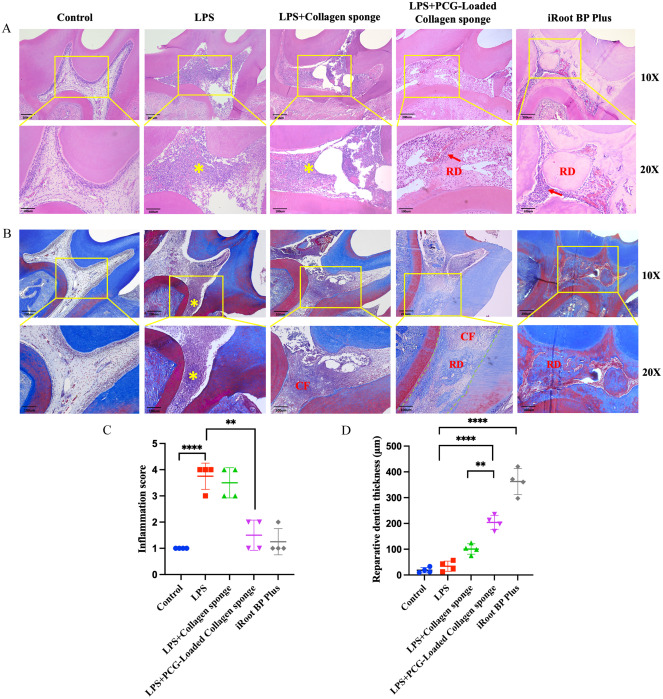
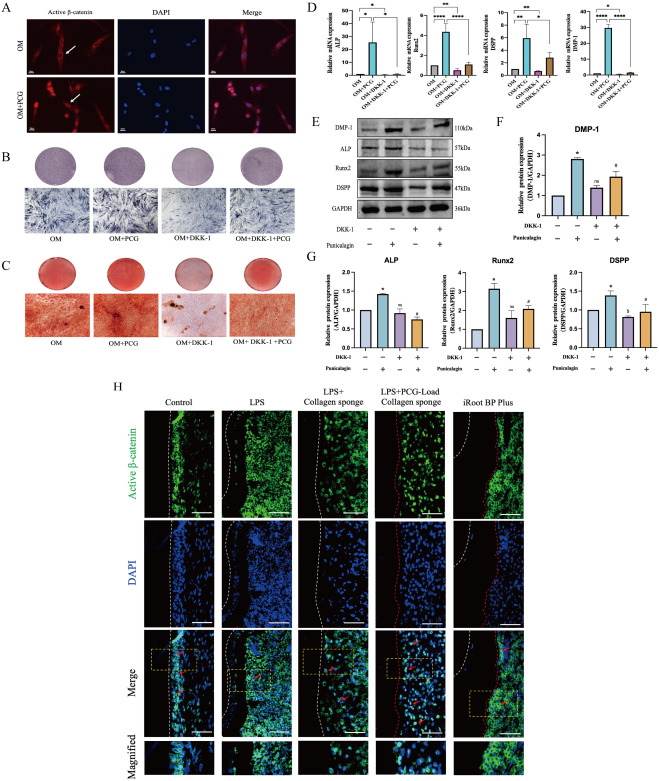
This study investigated whether punicalagin, a naturally derived polyphenol, can support dentine–pulp repair. In an experimental pulpitis model, a punicalagin-loaded collagen sponge reduced inflammatory infiltration and promoted reparative dentin formation. In dental pulp stem cells, punicalagin enhanced odontogenic differentiation through activation of Wnt/β-catenin signalling. The findings provide mechanistic support for exploring bioactive, biologically informed strategies for vital pulp therapy.
Selected Publications
-
BPA-free resin-modified calcium silicate cement with enhanced bioactivity and biocompatibility — Dental Materials, 2026.
-
Experimental resin-modified calcium-silicate cement containing N-(2-hydroxyethyl) acrylamide monomer for pulp tissue engineering — Materials Science & Engineering C, 2021.
-
Preclinical effectiveness of an experimental tricalcium silicate cement on pulpal repair — Materials Science & Engineering C, 2020.


bottom of page